logo
Rumah

Blog Tentang Guide to Polyurethane Properties and Industrial Applications

Sertifikasi
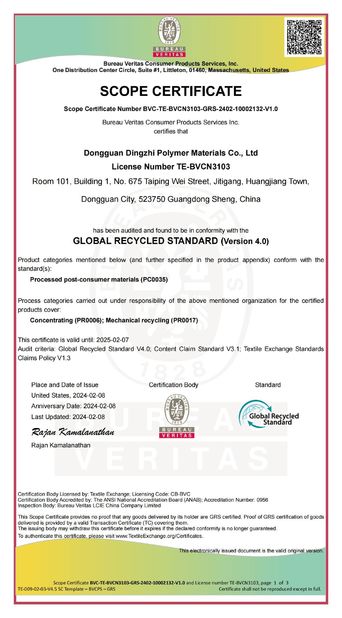
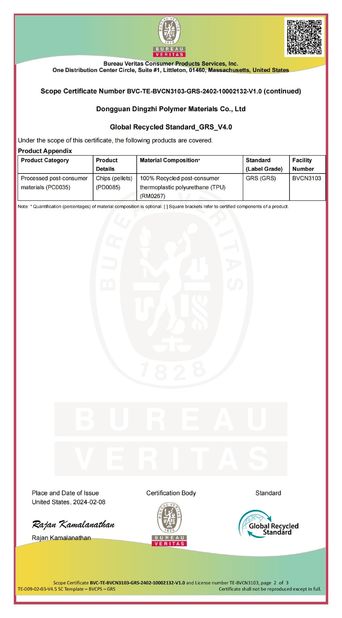
Cina Dongguan Dingzhi polymer materials Co., LTD Sertifikasi
I 'm Online Chat Now
perusahaan Blog
Guide to Polyurethane Properties and Industrial Applications
berita perusahaan terbaru tentang Guide to Polyurethane Properties and Industrial Applications

Imagine a material that is as soft as rubber yet as tough and wear-resistant as hard plastic. It can withstand high pressure, resist tearing, and even be used in food-contact applications. This is polyurethane—a highly versatile and high-performance engineering plastic. But with so many polyurethane grades available, how do you choose the right one? This article explores the properties, applications, and selection criteria for this remarkable material.

Polyurethane: A Material of Many Talents

Polyurethane is not a single compound but a polymer material synthesized from three basic components: polyols, isocyanates, and chain extenders. By adjusting the ratios and types of these components, manufacturers can produce polyurethane products with varying properties to meet different application needs. The most common polyurethane grades on the market include:

  • TDI PTMEG Polyether Polyurethane: Known for retaining flexibility in low temperatures and offering excellent antimicrobial resistance, this grade is ideal for products used in damp or cold environments, such as cable sheaths and seals.
  • MDI PTMEG Polyether Polyurethane: This grade excels in dynamic performance and elasticity, making it suitable for shock-absorbing components like dampers and flexible couplings.
  • TDI Polyester Polyurethane: Renowned for its outstanding wear and chemical resistance, this grade is often used in harsh environments for conveyor belts, seals, and coatings.
  • MDI Polyester Polyurethane: With high strength and tear resistance, this grade can achieve FDA certification for food-contact applications, such as food processing equipment and medical devices.
  • NDI Polyester Polyurethane: A premium-grade polyurethane with exceptional dynamic performance and load-bearing capacity, ideal for high-pressure seals and heavy machinery components.
  • TDI Polycaprolactone Polyurethane: This grade offers superior hydrolysis resistance compared to other polyester polyurethanes, making it suitable for underwater seals and pump impellers.

Polyurethane can also be categorized by curing method—thermosetting (requiring heat for curing, typically offering better performance) and cold-curing (curing at room temperature for easier use).

Key Advantages of Polyurethane

Polyurethane’s widespread use stems from its unique properties:

  • Adjustable Hardness: Ranging from 30 Shore A (soft like silicone) to 75 Shore D (hard like ABS plastic), polyurethane can be tailored for applications from soft dampers to rigid wear plates.
  • Exceptional Wear Resistance: Polyurethane outperforms other elastomers like rubber in abrasion resistance, with hardness often correlating to durability.
  • High Tear Strength: Even when scratched or nicked, polyurethane resists crack propagation due to its cross-linked molecular structure.
  • Superior Compression Resistance: Often used in high-pressure applications like elevator buffers, though non-foamed polyurethane is nearly incompressible, requiring design accommodations.
  • Thermal Considerations: As an insulator, polyurethane can accumulate heat in high-speed, high-load applications, leading to failure if temperatures exceed limits. Advanced formulations mitigate this with conductive additives or optimized structures.

Processing Polyurethane: Handcrafting vs. Machinery

Polyurethane processing involves preparing prepolymers and curing agents, mixing them, molding, and curing. Methods vary by scale:

  • Manual Processing: Suitable for small batches, this method involves melting prepolymers (if solid), mixing with curing agents, degassing, and pouring into molds coated with release agents. Thermosetting grades require preheated molds.
  • Mechanical Processing: Automated machines handle mixing and injection for large-scale production, similar to injection molding.
  • Post-Curing: Most polyurethane products undergo oven post-curing (hours to days) to achieve optimal performance, either after demolding or partially in-mold.

Selecting the Right Polyurethane

Choosing the appropriate polyurethane grade requires balancing performance, processing, cost, and environmental factors. Professional consultation with material engineers or suppliers is recommended for tailored solutions.

Conclusion

Polyurethane’s adaptability, durability, and wide hardness range make it indispensable across industries. By understanding its properties and processing methods, users can effectively harness this high-performance material for diverse applications.

Pub waktu : 2026-02-28 00:00:00 >> blog list
Rincian kontak
Dongguan Dingzhi polymer materials Co., LTD

Kontak Person: Ms. Chen

Tel: +86-13510209426

Mengirimkan permintaan Anda secara langsung kepada kami (0 / 3000)